


Exploring New Forms of Energy Storage: Turning Surplus Solar Power into Hot Water
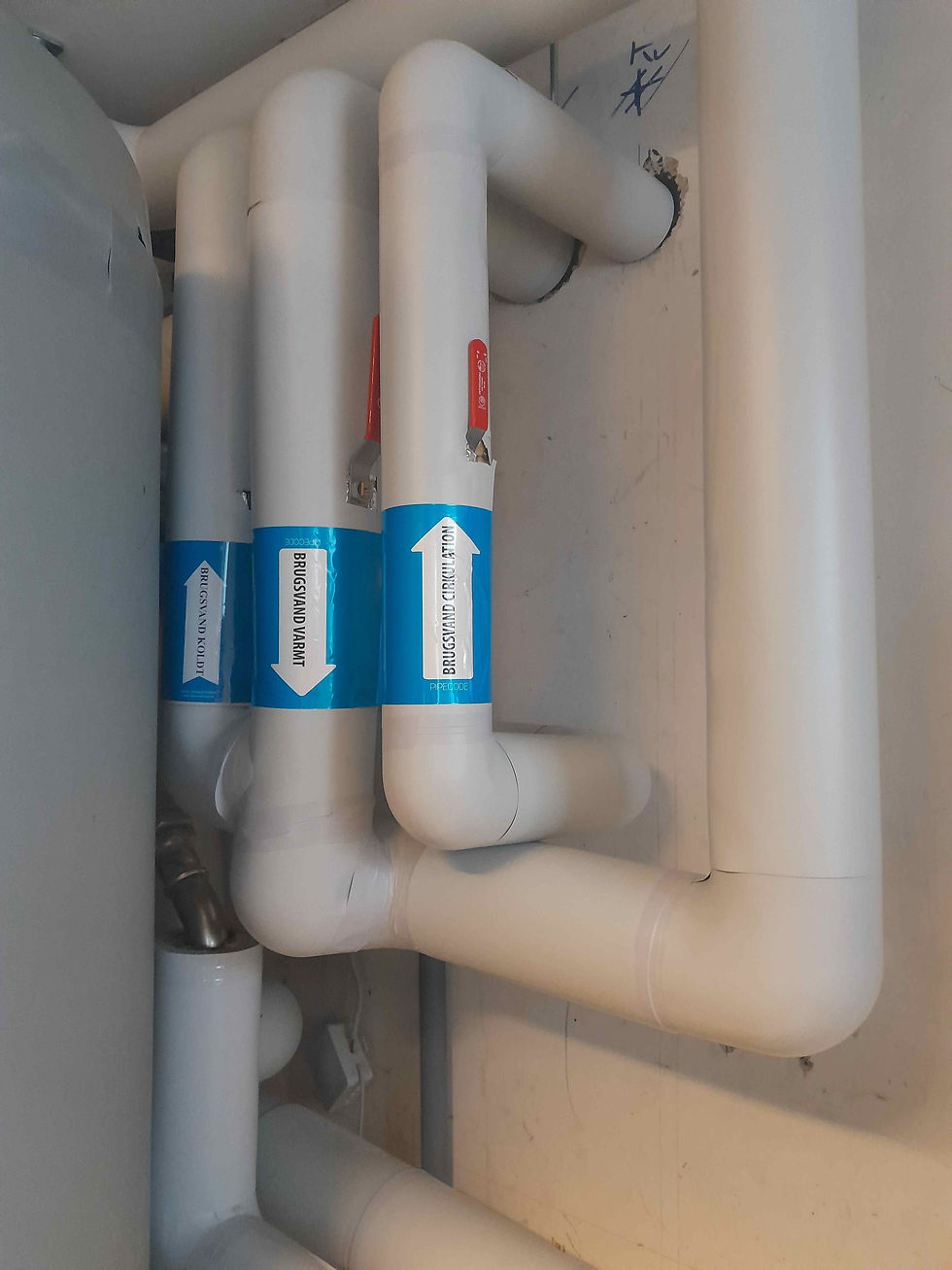
In 2022, Department 15 of the Kolstrup Housing Association in Denmark installed solar photovoltaic panels and battery systems to increase self‑consumption of renewable electricity. As part of the EVELIXIA project, this pilot site is now taking an important next step by integrating domestic hot water tanks as an additional form of energy storage.

The concept is straightforward: when the building produces more solar power than it can use immediately or store in batteries, the surplus electricity is redirected to heat water. Instead of being exported to the grid, this energy is retained on-site, supporting greater efficiency and resilience within the building’s energy system.
Unlocking New Value from Local Renewable Energy
The integration of hot water tanks as a flexible storage option has the potential to deliver several benefits:
Higher on-site self-consumption of locally generated solar power
Reduced stress on the wider energy system, especially during periods of high renewable production
Potential cost savings for residents through more efficient production of domestic hot water
Buildings as Active Participants in the Energy System
This initiative is part of EVELIXIA’s broader effort to demonstrate how buildings can become active, flexible elements of the energy system. By combining local solar generation, multiple forms of storage, and demand‑side flexibility, the project showcases real-world solutions for smarter, more efficient energy use. The Kolstrup Housing Association pilot is one of several demonstration sites across Europe contributing to this vision.

Looking Ahead
Performance data and insights from this pilot are expected within the next 12 months. These results will help assess the full potential of using hot water storage as a complementary flexibility mechanism and provide guidance for wider implementation in residential settings.
Further updates will be shared as the pilot progresses.


